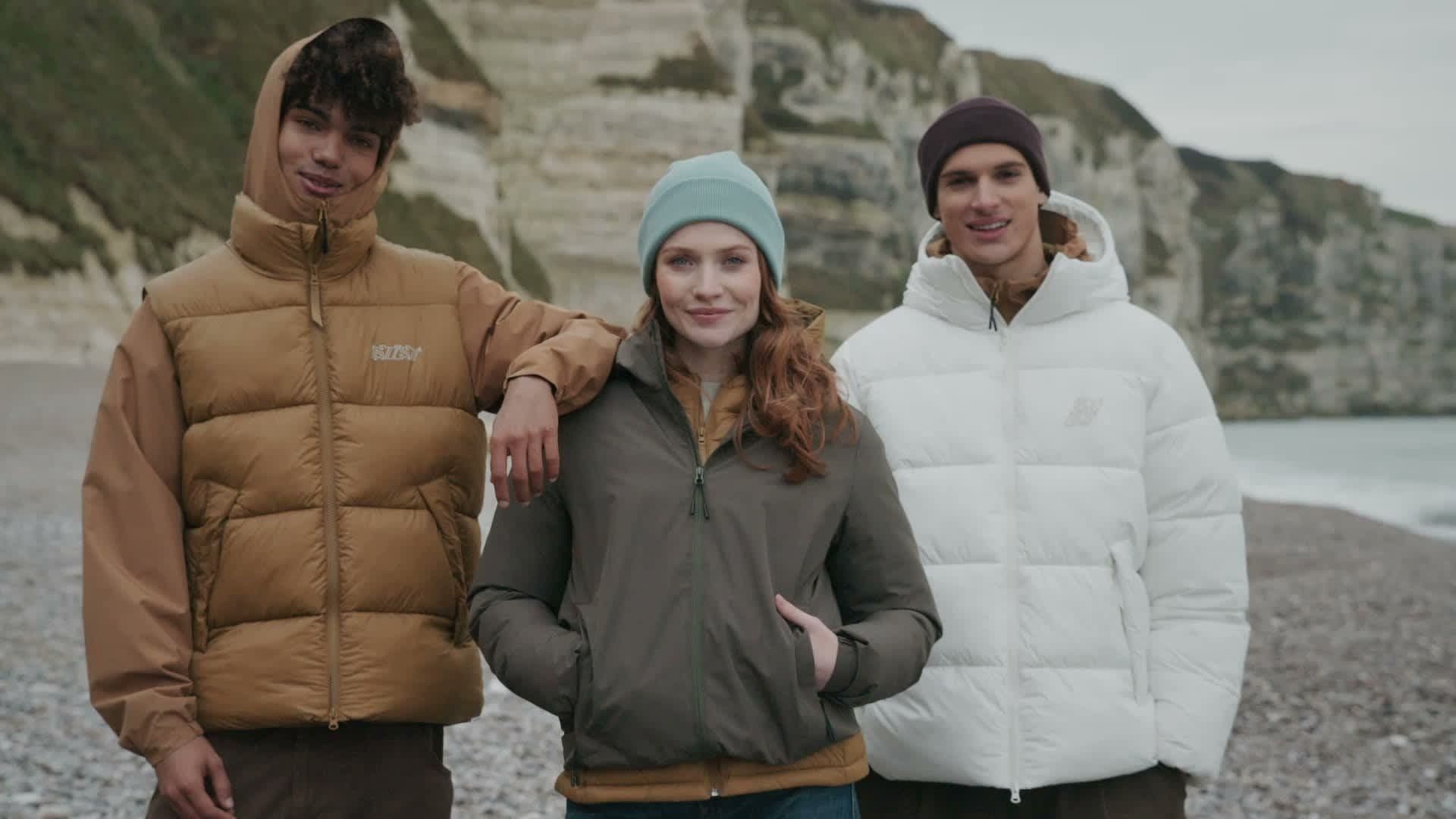
Organic cotton blanks, made to carry a print or an embroidery.
Stanley/Stella is a Belgian brand of blank garments in organic cotton and recycled fibres, founded in 2012 and based in the Brussels region. It sells only through a network of selected printers and embroiderers, who decorate its T-shirts, sweatshirts and hoodies for companies, events and clubs. The brand has been a member of the Fair Wear Foundation since it started.
Photo: Stanley/Stella
- Country of origin
- Belgium
- Minimum order
- 25 pieces per model
- Lead time
- 3 weeks
- Samples
- on request
- Products
- 7
All products from Stanley/Stella
All prices exclude VAT. Statutory VAT will be charged additionally where applicable.
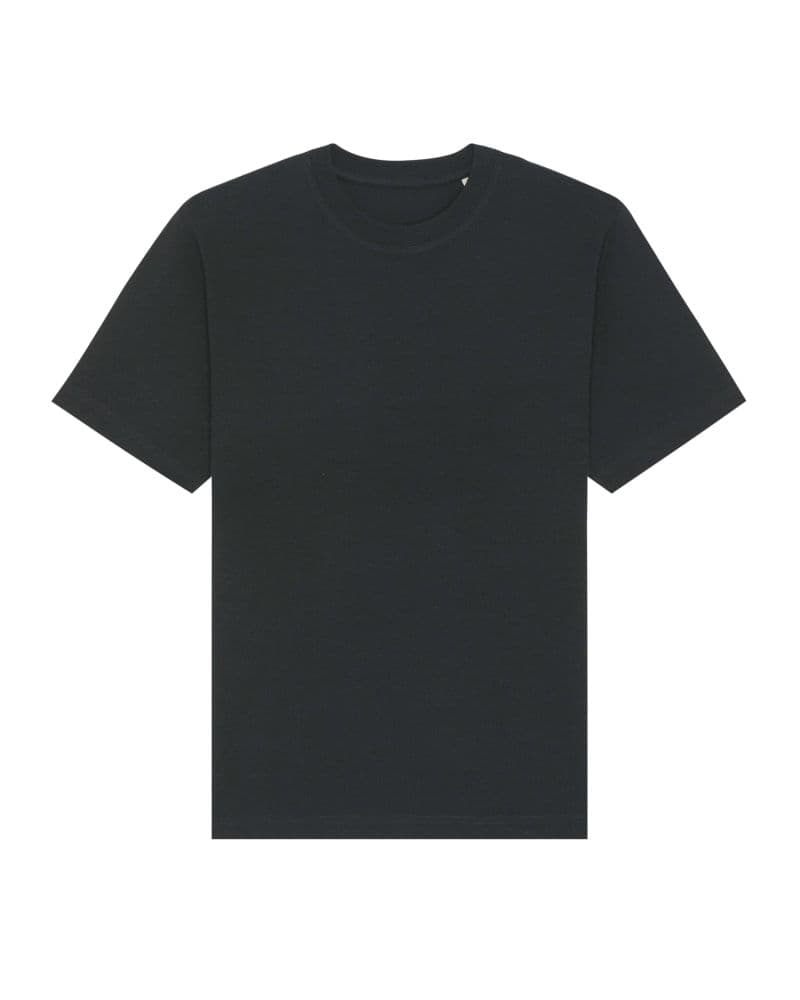
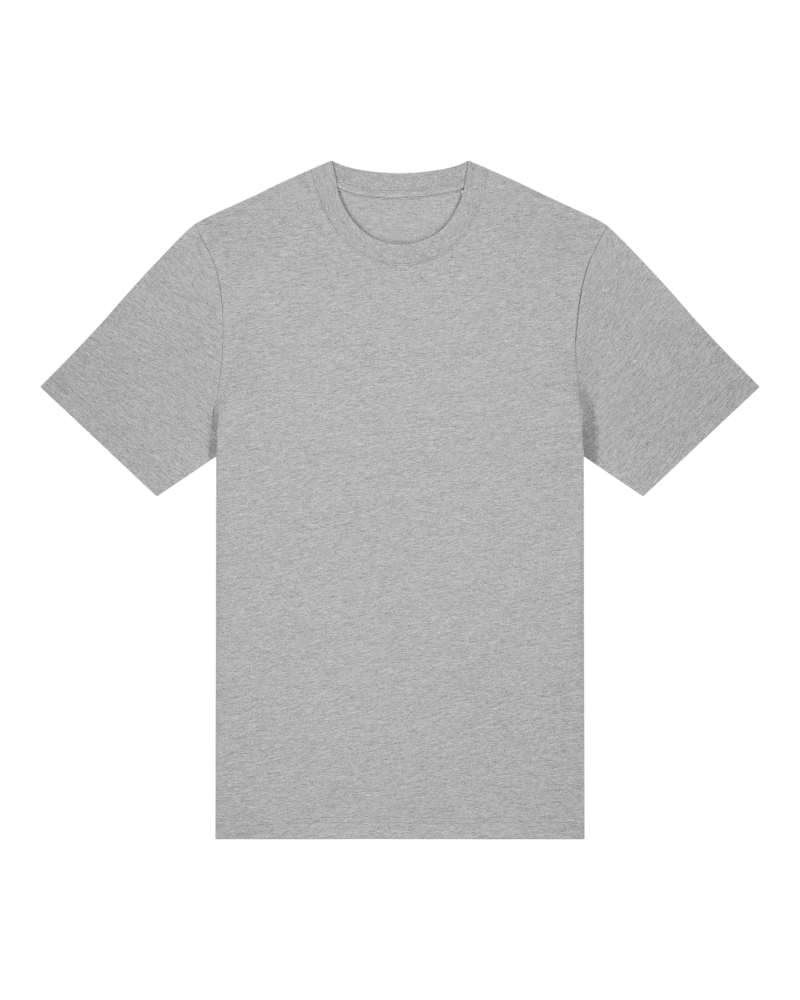
T-shirts
3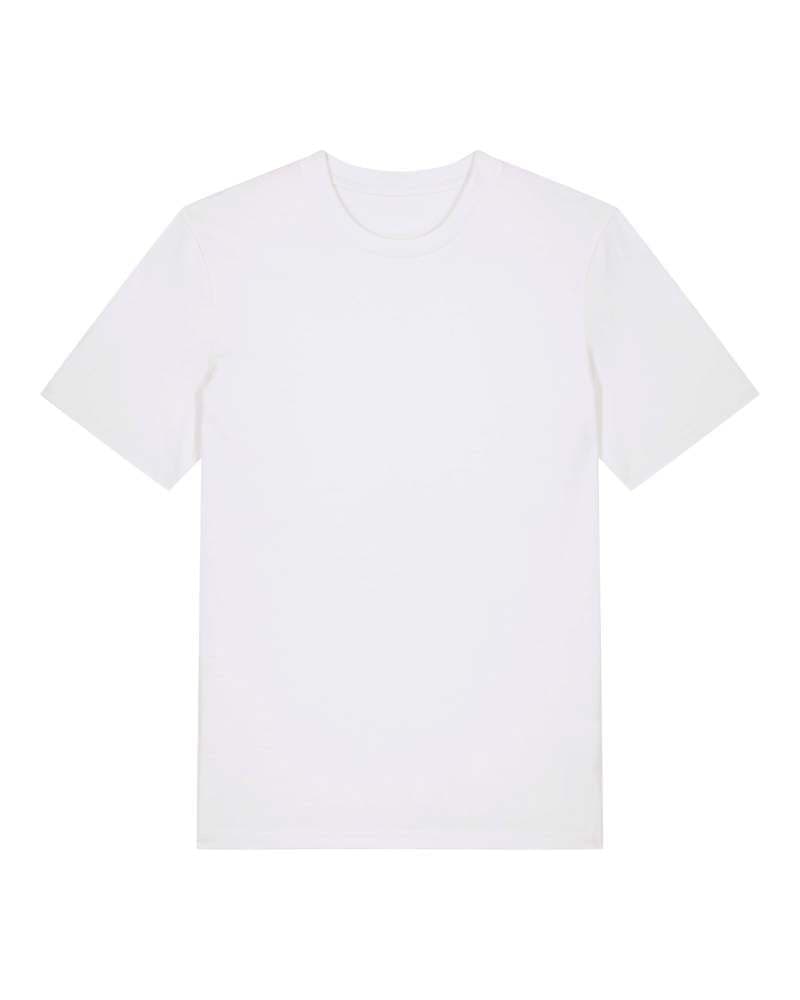
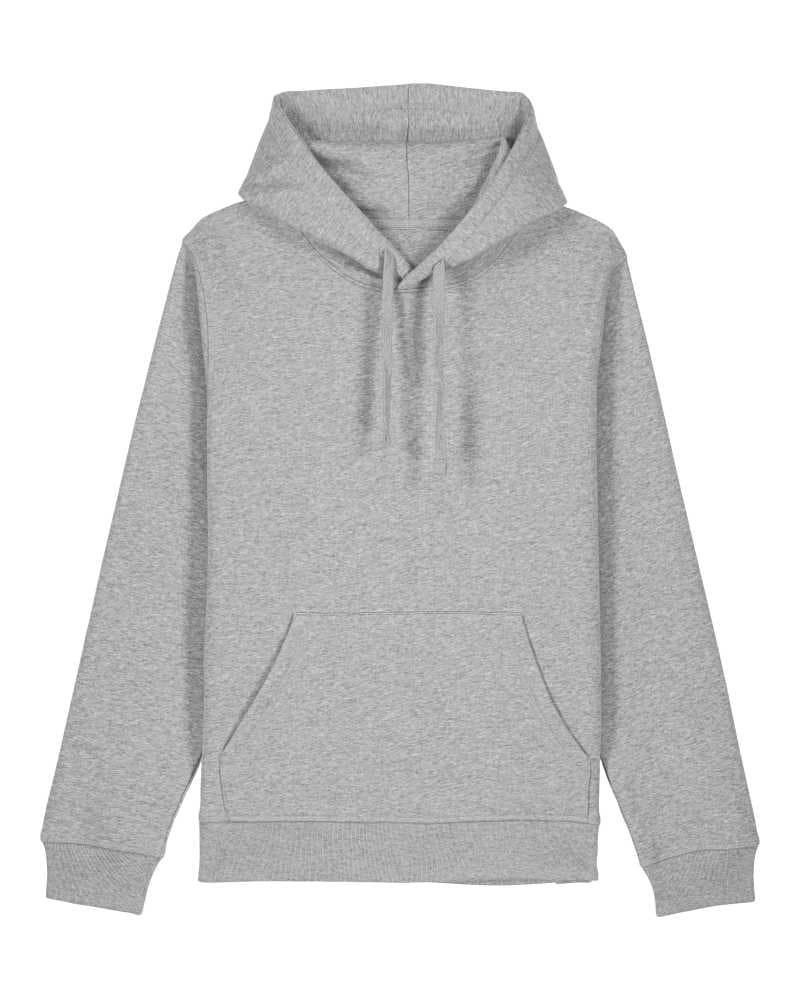
Hoodies
2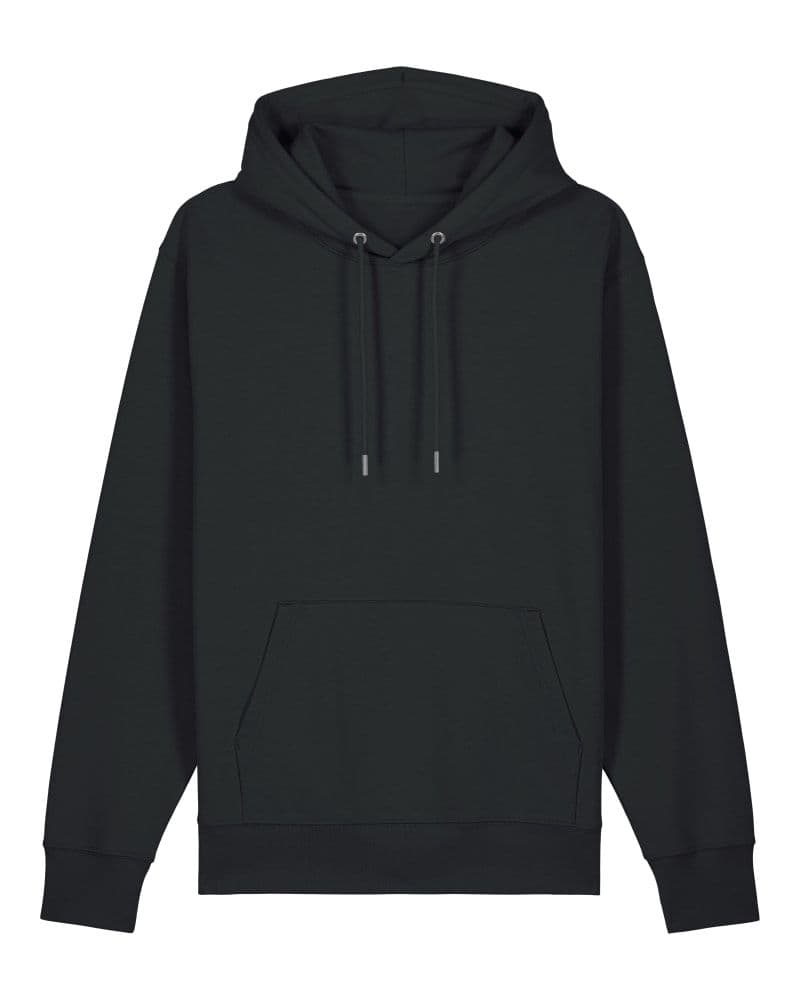
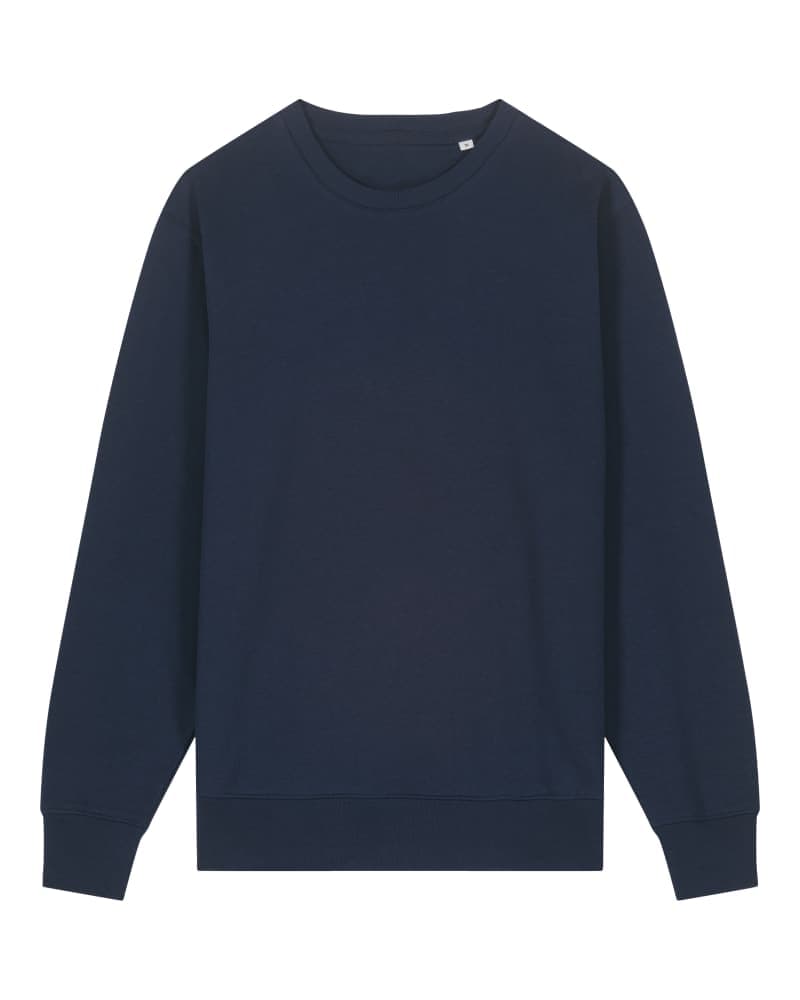
Sweatshirts
2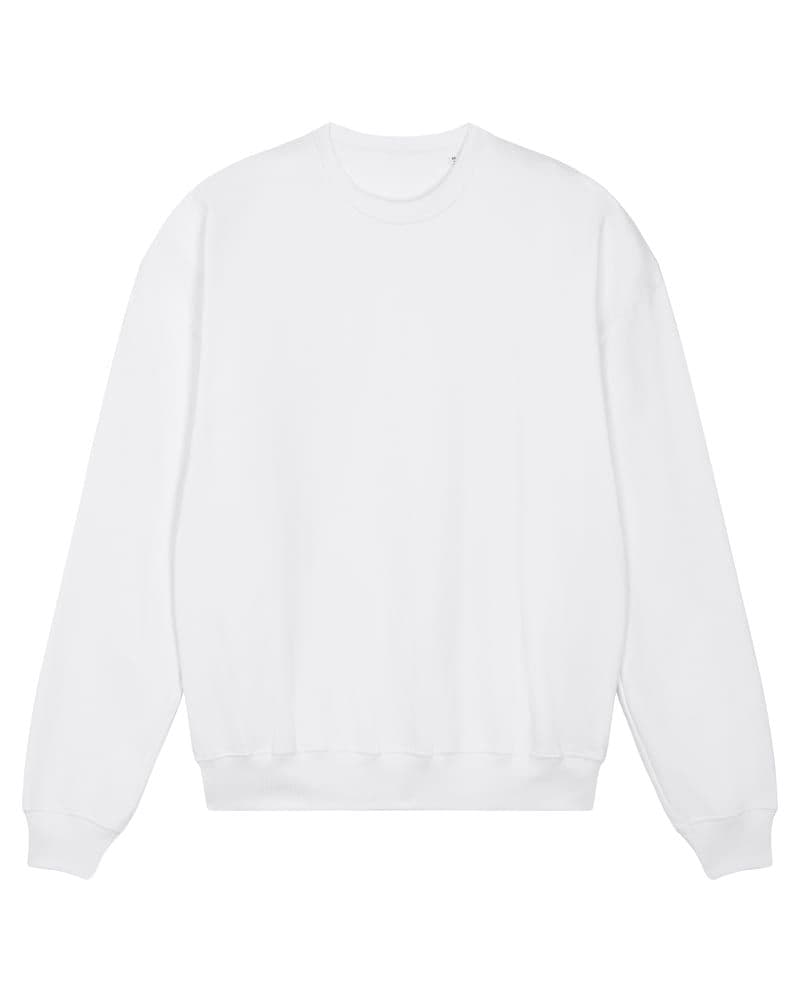
No products match these filters.
Stanley/
- 01
Decoration through printers
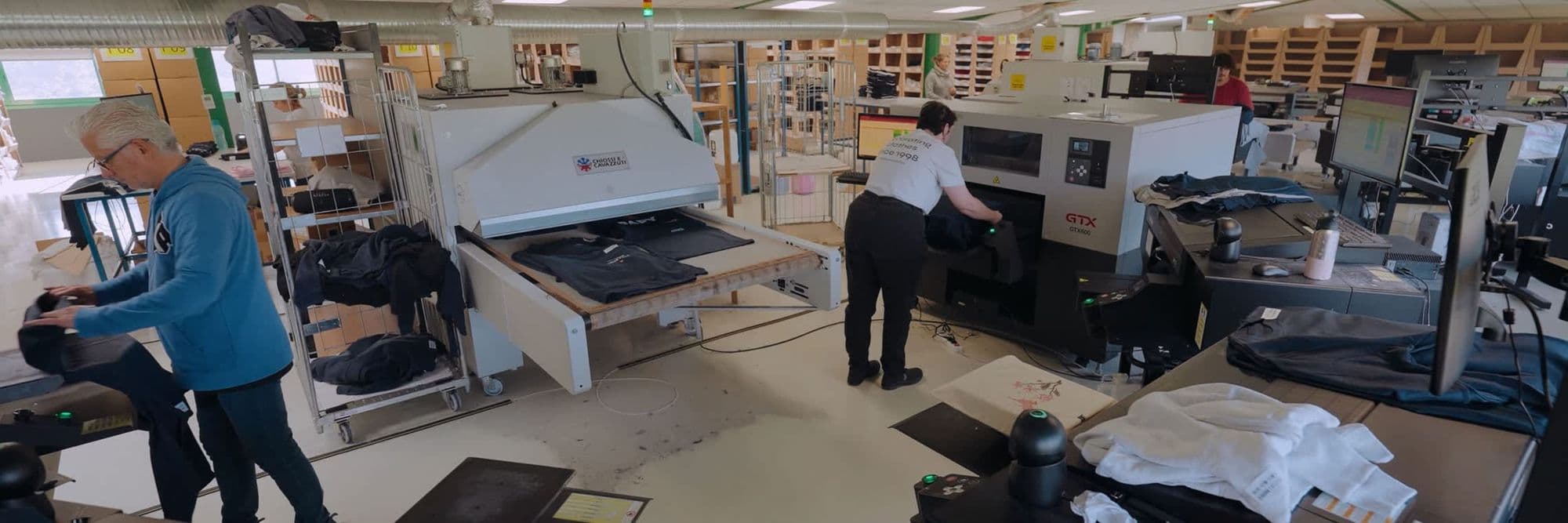
Stanley/Stella sells only through printers. Your garments are printed by our partner in Poland.
- 02
Front and back print
Club printing from 25 pieces per model, with a three-week lead time. Shipping: €22 for 25 to 100 T-shirts; other quantities and destinations on request.
- 03
Availability
According to the brand, 97 percent of the blanks are in stock and reach dealers within 24 to 48 hours, with no minimum order.
- 04
Range
The range comes in unisex, women's, men's and kids' cuts, from T-shirts to windbreakers.
Options
- Print in one to three colours, front and back.
About Stanley/
Stanley/Stella was founded in 2012 to make blank garments for the print trade in a fairer and cleaner way than the industry norm. From the first day every piece was made from GOTS certified organic cotton and carried the OEKO-TEX Standard 100 label. The brand joined the Fair Wear Foundation that same year and reached its top rating, Leader status, for the first time in 2013.
Most of the production happens in Bangladesh: more than 90 percent comes from eleven partner factories there, and outerwear is made in two factories in China. The brand owns no factories, but in 2014 it opened a liaison office in Bangladesh to work closely with its suppliers. Since 2023 it has bought part of its cotton directly from farmers in Tanzania.
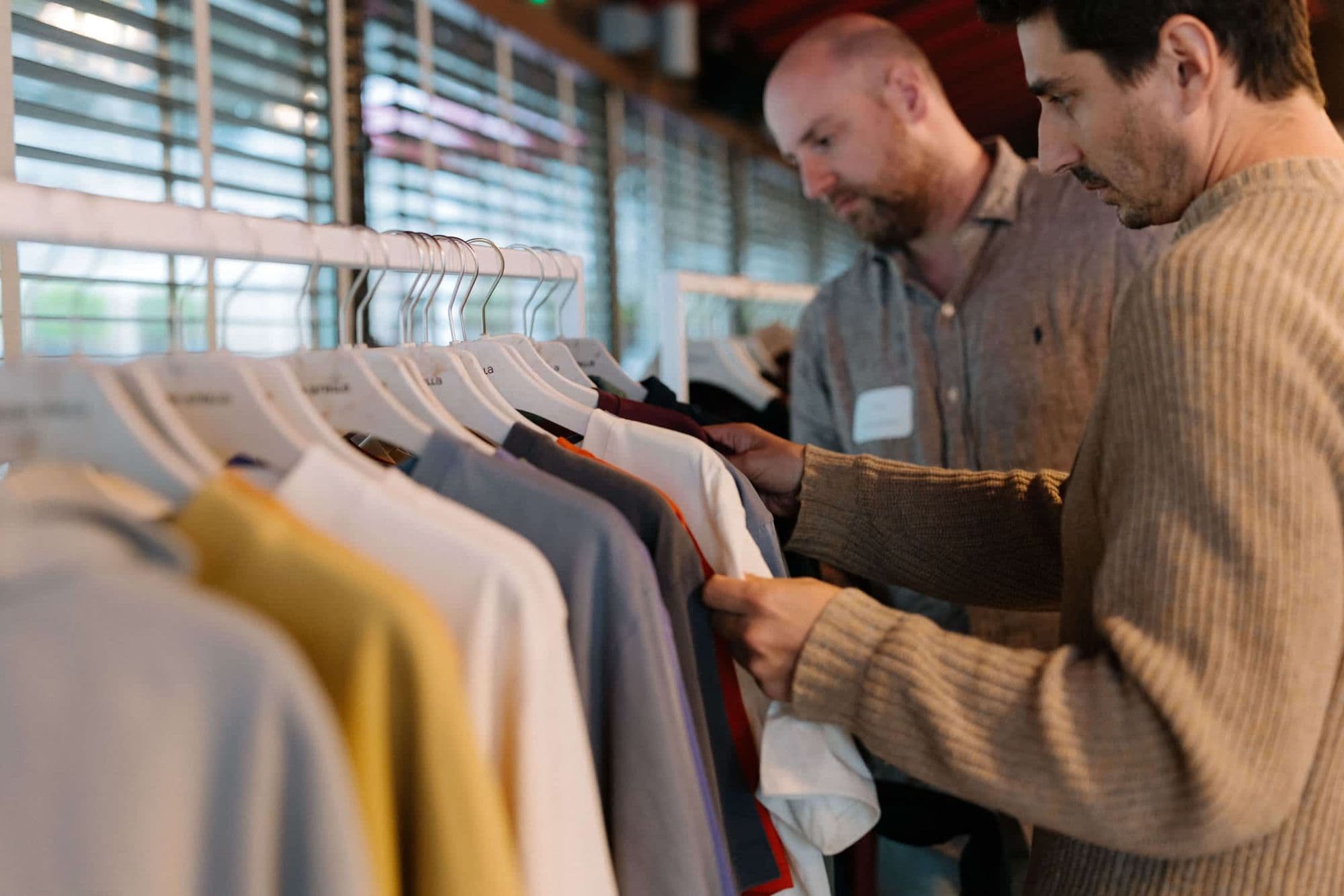
The garments are designed with decoration in mind. Smooth fabric surfaces are meant to give clean prints and embroidery, and an in-house lab tests every style for how well it takes them. The collection runs to 159 styles in 117 colours.
Stanley/Stella does not sell to end customers. Its garments go to more than 300 official dealers across Europe, mostly printers and embroiderers, who usually receive stock within 24 to 48 hours with no minimum order. Across its supply chain, the brand aims to cut relative carbon emissions by 30 percent by 2030.
- Founded
- 2012
- Headquarters
- Auderghem, Brussels region, Belgium
- Production
- No own factories; over 90 percent from eleven partner factories in Bangladesh, outerwear from two factories in China
- Range
- 159 styles in 117 colours (autumn/winter 2026)
- Sales
- Only through more than 300 official dealers, mainly printers and embroiderers
- Certifications
- GOTS, OEKO-TEX Standard 100, Global Recycled Standard; Fair Wear Foundation with Leader status
Milestones
- 2012
Founded with GOTS organic cotton in every piece, and joins the Fair Wear Foundation.
- 2013
Reaches Fair Wear Foundation Leader status for the first time.
- 2014
Opens a liaison office in Bangladesh to work with its partner factories.
- 2015
The first official dealer gains its own GOTS certification.
- 2019
First recycled materials join the collection, including polyester.
- 2023
First direct-to-farm cotton partnership, with Remei in Tanzania.
- 2025
Publishes the environmental footprint of its products.
Known for
Organic cotton and recycled fibres
Every fibre is certified organic or recycled under GOTS or GRS. For the Re styles, cutting waste from its own production is spun into yarn with 50 percent recycled organic fibre.
Working conditions
A Fair Wear Foundation member since 2012, rated Leader. The brand deliberately works with few factories and funds mobile clinics and water wells around its partners in Bangladesh.
Built for decoration
Fabrics and cuts are matched to printing and embroidery, and an in-house lab tests every style. The brand puts its decoration defect rate below 0.02 percent.
Published figures
Life cycle data has been published for 60 percent of the styles. Relative emissions fell by 13.9 percent over three years.

Planning your next club order?